- Ciara Moloney
- Posts
- The Sundae Presents Christmas Special! Meet Me in St. Louis 🎁
The Sundae Presents Christmas Special! Meet Me in St. Louis 🎁
Plus a long read about westerns! Superman vs Ralph Nader! And more!
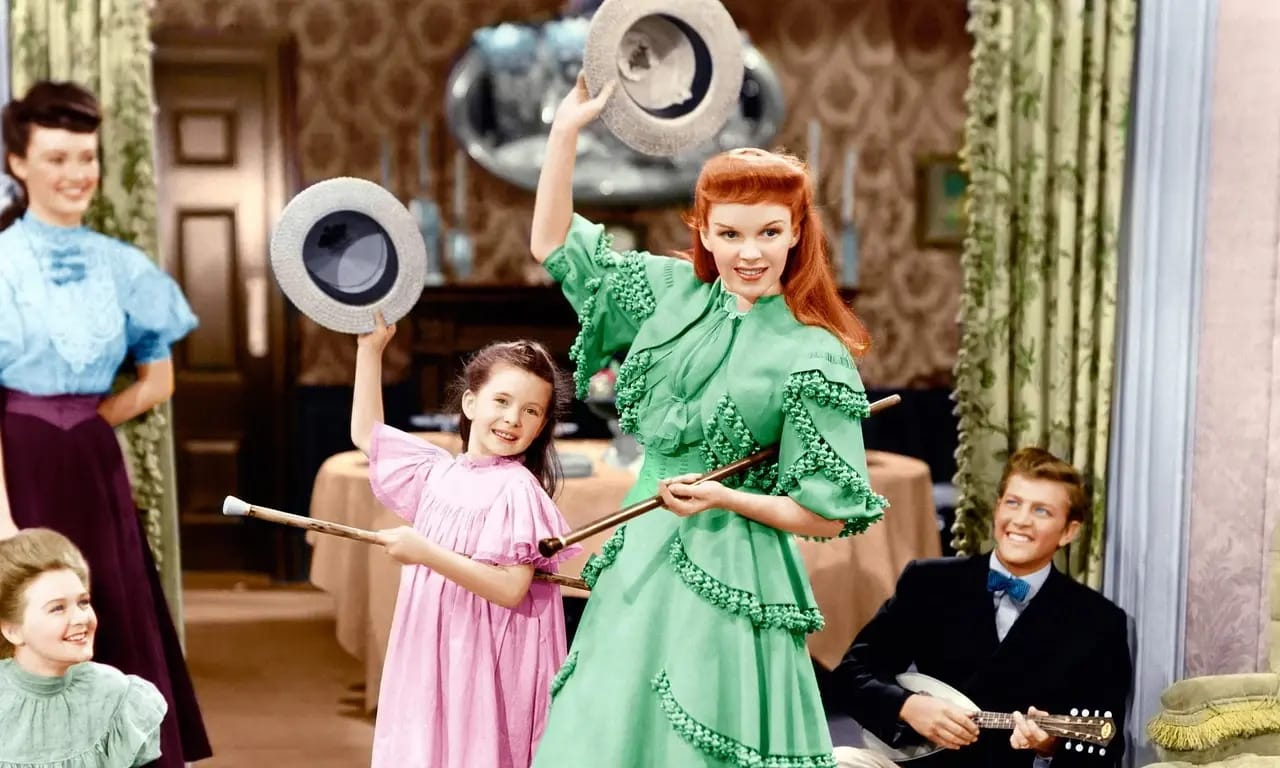
In a very special Christmas edition of The Sundae Presents, I got Dean to watch the wonderful Judy Garland musical Meet Me in St. Louis. We talked about wonderfully horrible children, the history of world’s fairs and whether the love interest is a neurodivergent king.
If you’re reading this in time and live in an applicable jurisdiction, you should know that Meet Me in St. Louis is on BBC2 on Christmas Eve at 1:25 pm. And you can listen to the episode and find all the details here!
Listen and subscribe on:
(If you want to listen to The Sundae Presents on a podcast platform on which it’s not available, let me know and I’ll get it sorted!)
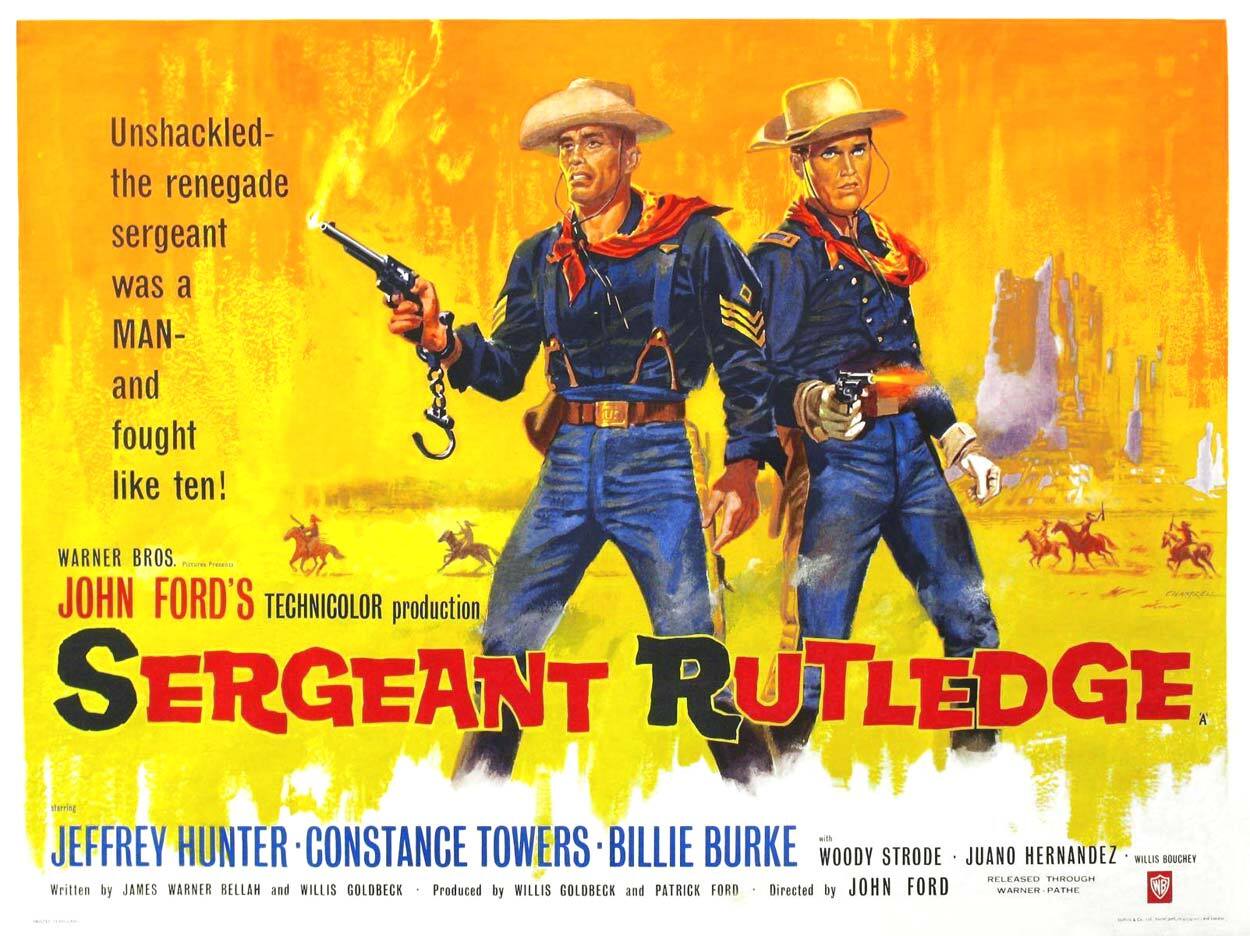
If there’s one thing that life is for, it’s watching westerns. And much like with professional wrestling, everyone assumes they know what westerns are like without watching them. But now my primer on left-wing westerns for Current Affairs is out online! A preview:
Boomer dads excepted, most people don’t watch Westerns. Even among cinephiles, Westerns are easily shunted off into their own niche that—in a world that rarely produces new Westerns, at least unless they’re Yellowstone spin-offs—is easily imagined as separate from film proper. There are lots of genres for which this is true to one extent or another, but unlike swashbucklers, screwball comedies, or Commedia sexy all'italiana (look it up), lack of exposure does not deter anyone from thinking they know exactly what Westerns are like. The Western is judged on a collage of second- and third-hand sense impressions. The Western is pre-emptively dismissed based on myths and assumptions, the most damning of which are political anathema to the average leftist. Eileen Jones of Jacobin concedes only that one may “enjoy aspects of old Westerns, in spite of their generally nightmarish Manifest Destiny ideology.” Everyone knows that Westerns are racist, sexist, imperialist propaganda valorizing the conquering white man. But when I got into Westerns in my twenties, this collaged Western I had culturally absorbed turned out to be like the shadows on Plato’s cave wall: not a lie, precisely, but nothing like the complexity, color, and depth of reality.
More than any other genre, Westerns are about the values of the United States: the alleged ones and the ones in practice. They are about clashes between bandits and the law, between working-class immigrants and mega-rich ranchers, between settlers and Indigenous people (who, even in ugly depictions, are less often generic “Indians” than Apache, Comanche, Cheyenne, Sioux). They’re about the tension between individualism and community, between justice and violence, and the hope and horror of wide open space. Sometimes this is in service of Manifest Destiny, colonialism, and white supremacy, disseminating America’s founding myths of idealistic expansion. But the same themes that can enable all of that also make the Western especially adept at tearing that mythology apart. At their best, Westerns serve to critique colonialism and genocide, to expose the falsity of America as a land of opportunity, to call out when the U.S. stands for evil, in the Old West and now, and when the U.S. fails to live up to its own promises. In The Man Who Shot Liberty Valance, Jimmy Stewart plays a lawyer from back east who sets up a school for children and adults in the community, most of whom cannot read. Woody Strode, as the film’s only Black character, recites the Declaration of Independence in class, but cannot remember the line “all men are created equal.” Stewart tells him, “That's all right, Pompey, a lot of people forget that part of it.” Liberty Valance came out in 1962, when plenty of people were forgetting about all men are created equal, not least the segregationist rioters at the University of Mississippi a few months after the film’s release.
You can read the whole thing here. Set up your holiday viewing 🫡
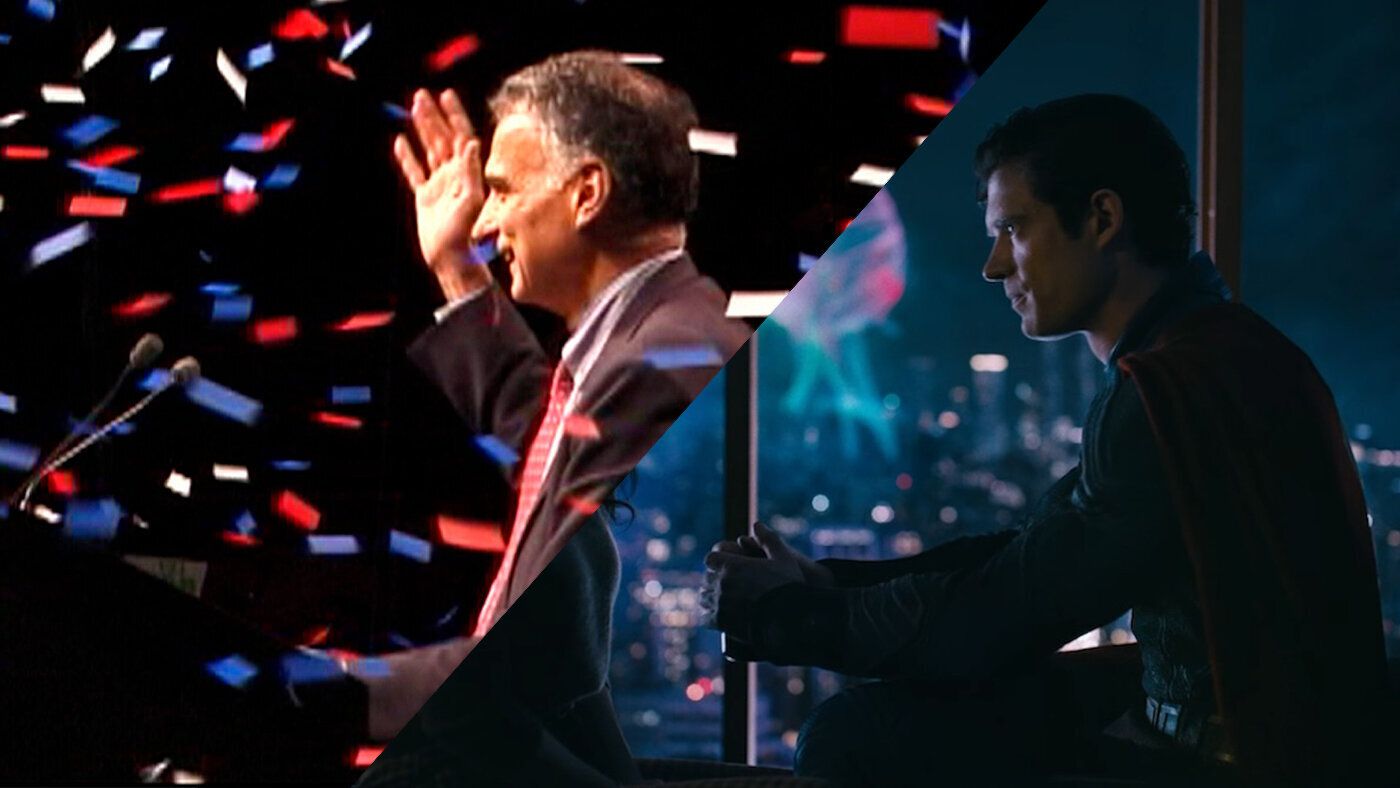
MUBI asked me to contribute to their annual fantasy double features poll, where each person pairs a film that came out this year with an older one. This was, perhaps inevitably, the only opportunity I have had to present the Ralph Nader Theory of James Gunn’s Superman, and I grabbed it with both hands. I’m not giving a preview because I squeezed that word count like nobody’s business.
You can read it here. They’re in alphabetical order by contributor name, so I’m pretty far down. But please read it! It’s the best thing I’ve done this year!
P.S. I didn’t even get to mention it but that George Bernard Shaw quote is from Man and Superman. Isn’t that perfect?!
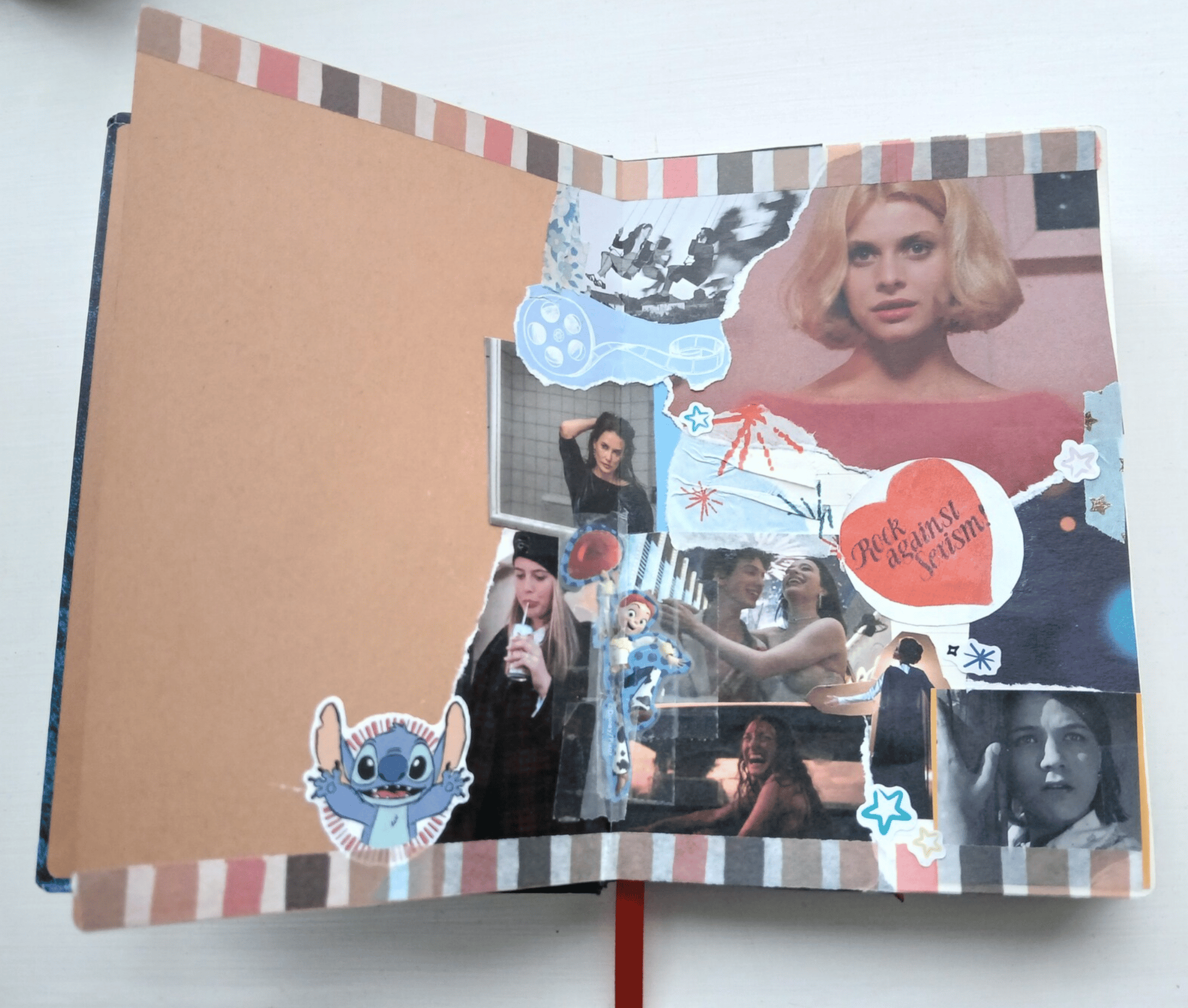
Broke in my new film etc. journal with a collage. In case you ever wondered why I don’t use Letterboxd, it’s because I write about every film/TV show/whatever I watch or book I read in notebooks and have for many years since before Letterboxd existed.
Actually I just checked and Letterboxd was founded in 2011. Nevermind.
Anyway what I’m saying is I’m this guy:
(That’s right, I’m Tom Cruise, is what I’m saying.)
icymi
I reviewed the book Single & Psycho for Cineaste!
I wrote about my favourite Dick Van Dyke performance, as an alcoholic in the TV movie The Morning After, for Crooked Marquee!
I wrote about Andrea Arnold’s Cow for Current Affairs.
and a classic from the archives…
A look at the 2015 film Circle for Certified Forgotten that I wrote back in 2021.
parting recs
Watch: I’m gonna say the 1925 film version of A Tale of Two Cities because you should stay caught up for the obsession I sense is impending with Ronald Colman, who based on this one example is clearly the greatest screen actor in history, and possibly a time traveller.
Listen: The Boy with the Arab Strap by Belle and Sebastian. A masterpiece, for one thing.
Read: Ireland in the Life and Work of CS Lewis by the inimitable David Clare. It’s great!
Check out otherwise: Doing neurographic drawing. It’s nice!
Got this email from someone else? Subscribe here